Understanding the History and Cultural Significance of Batá Drums
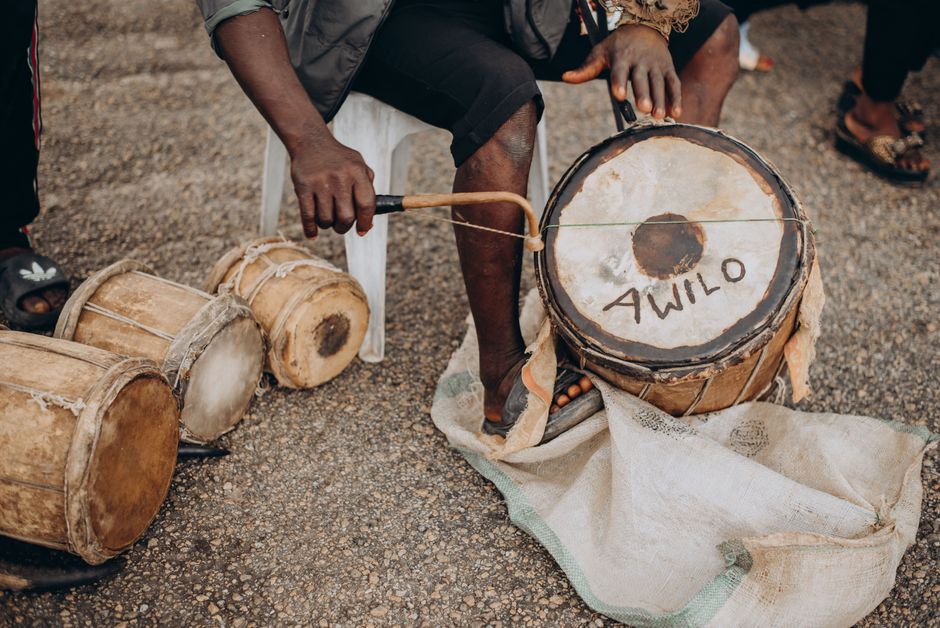
The batá drum is far more than a percussion instrument—it's a vessel of cultural heritage and spiritual practice. Originating in the Yoruba people of West Africa, particularly in present-day Nigeria, these sacred drums have travelled across oceans and centuries, maintaining their profound significance in communities around the world.
Traditionally, batá drums were exclusively used in religious ceremonies and rituals. The Yoruba people believed these drums could communicate with the orisha, the divine spirits in their spiritual system. This sacred purpose meant that only initiated practitioners could play or even touch the drums, and the knowledge was passed down through families and communities with great reverence.
When the transatlantic slave trade forcibly brought Yoruba people to the Caribbean and the Americas, they carried their cultural practices with them. In Cuba particularly, batá drumming became integrated into Santería, a syncretic religion that blended Yoruba traditions with Catholicism. Here, the drums continued their sacred function, adapting to new circumstances while maintaining their essential character and spiritual power.
Today, batá drums are celebrated globally in multiple contexts. While they remain central to religious and spiritual practices in Santería and other African diaspora religions, they've also become important in world music, jazz, and contemporary African music. This expansion has introduced batá to wider audiences, though some traditionalists maintain that the deepest knowledge should remain within initiated communities.
In the UK, there's growing appreciation for batá culture, particularly in cities with established African and Caribbean communities. Understanding the history helps us respect the drums not merely as exotic instruments, but as living connections to ancestral wisdom and spiritual practice. Learning about batá means engaging with questions of cultural preservation, respect, and the ongoing influence of African traditions on global music and spirituality.
Whether you're drawn to batá for spiritual reasons, musical interest, or cultural curiosity, recognising its historical roots enriches your understanding and deepens your respect for this remarkable tradition.