Learning Batá Rhythms: Essential Patterns for Beginners
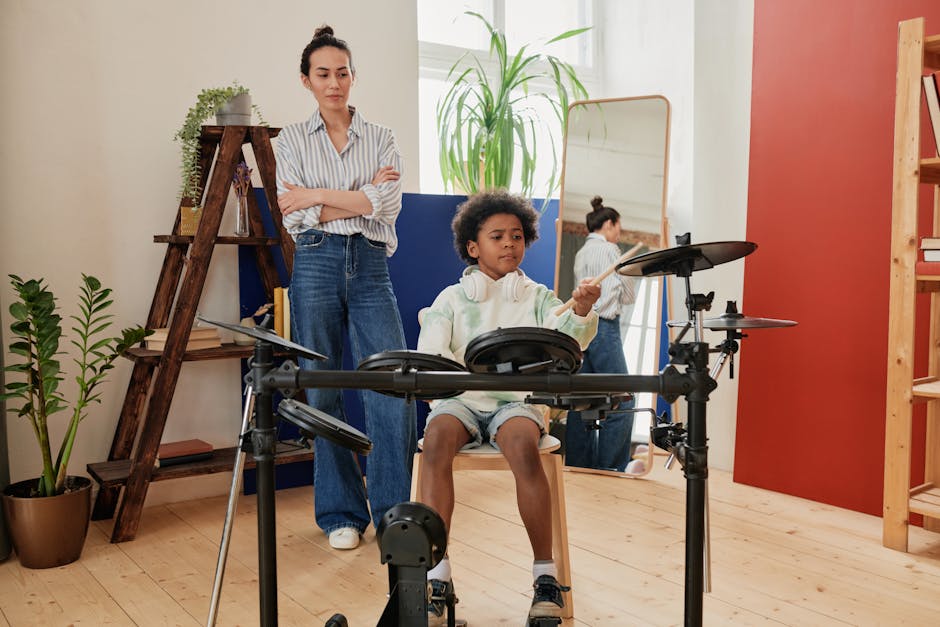
Learning to play batá drums is a journey that begins with understanding the fundamental rhythms and patterns that form the backbone of this tradition. Rather than reading sheet music, batá is traditionally learned through listening, repetition, and guidance from experienced players—a method called oral tradition that has preserved these rhythms for generations.
The most essential concept to grasp is the timeline—a repeating rhythmic pattern that remains consistent throughout a piece. The batá's role is to dialogue with this timeline, creating variations and improvisations around it. The okónkolo (smallest drum) often plays the timeline, providing the steady rhythmic foundation that holds everything together.
Start with the basic talking pattern. This fundamental rhythm teaches you how to use both the open tone (struck on the edge of the drum head) and the closed tone (struck in the centre). Begin slowly, focusing on clarity and consistency rather than speed. Many beginners rush, but batá is about precision and feeling the rhythm deeply in your body.
The iyá (largest drum) traditionally plays the most complex patterns, responding to the lead singer and creating musical conversations. As a beginner, you don't need to master this immediately. Instead, focus on understanding how the different drums relate to each other and how your rhythm interacts with others in an ensemble.
Practice with a metronome or recording. Having a steady reference point helps you develop your internal sense of timing. Many online resources provide recordings of batá rhythms you can play along with. This helps train your ear and builds muscle memory for the patterns.
Key learning principles include:
- Start slowly and gradually increase tempo
- Focus on hand technique and tone quality before speed
- Listen actively to recordings and live music
- Practice regularly, even for short periods
- Connect with a teacher or community for guidance
Consider joining a drum circle or class if possible. Learning batá is fundamentally a communal experience. Playing with others teaches you how your rhythm fits within a larger musical context and keeps you motivated through challenges.
Remember that mastering batá rhythms takes time. Traditional learning can take years of dedicated practice. Be patient with yourself, celebrate small progress, and enjoy the meditative, physical pleasure of playing these beautiful drums.