Creating Sacred Space: Batá Drums in Spiritual and Religious Practice
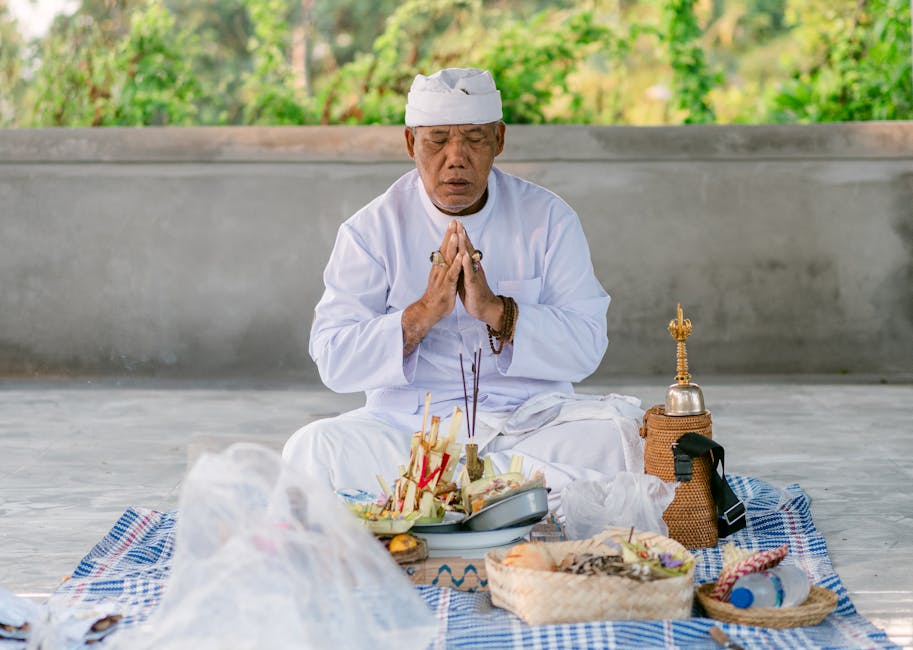
For millions of practitioners worldwide, batá drums are not merely musical instruments but sacred tools for spiritual connection and religious expression. Understanding this dimension is essential for anyone seeking to engage respectfully with batá culture, whether as an observer, learner, or practitioner.
In Santería, Candomblé, and other African diaspora religions, batá drums serve specific spiritual functions. They're believed to invoke the presence of the orisha—divine spirits that embody natural forces and human qualities. Each rhythm pattern corresponds to particular orisha, and playing these rhythms correctly creates a sacred space where spiritual communication becomes possible. This isn't metaphorical; practitioners experience genuine spiritual presence and transformation through the drums' music.
Initiation and training in batá drumming often involves spiritual preparation. In traditional contexts, someone wishing to play batá in religious ceremonies undergoes formal initiation. This process includes spiritual cleansing, learning ritual protocols, and receiving instruction not just in technique but in the spiritual significance of each rhythm. The knowledge is treated as sacred and is shared only within initiated communities.
The respect for batá in spiritual contexts extends to practical protocols. Traditionally, menstruating women were restricted from playing or even touching batá drums in some communities, though this practice is being reconsidered in contemporary settings. Drums are kept in dedicated spaces and treated with ceremonial care. Before playing, practitioners often perform spiritual preparations including prayer and cleansing rituals.
In the UK, where communities practising these religions exist alongside secular society, maintaining spiritual protocols around batá can be challenging. However, many practitioners work thoughtfully to preserve sacred traditions while adapting to contemporary life. Community spaces—often in people's homes or dedicated temples—provide places where batá can be played and honoured according to traditional practices.
Respect is paramount for outsiders. If you're invited to witness or participate in batá drumming within a spiritual context, approach with genuine respect and willingness to learn. Ask questions humbly, follow guidance from experienced practitioners, and recognise that you're entering sacred space. Not all batá contexts are open to outsiders, and this boundary deserves respect.
Many spiritual practitioners are also interested in sharing their tradition and welcoming sincere students. If you feel called to learn batá within a spiritual context, seek out established communities and teachers. Genuine spiritual mentorship takes time and commitment, but offers profound rewards beyond musical skill.
Whether or not you engage in the spiritual dimensions of batá, understanding that these drums carry sacred meaning for many people helps us approach the tradition with appropriate reverence and cultural sensitivity.