Choosing Your First Batá Drum: A Beginner's Guide
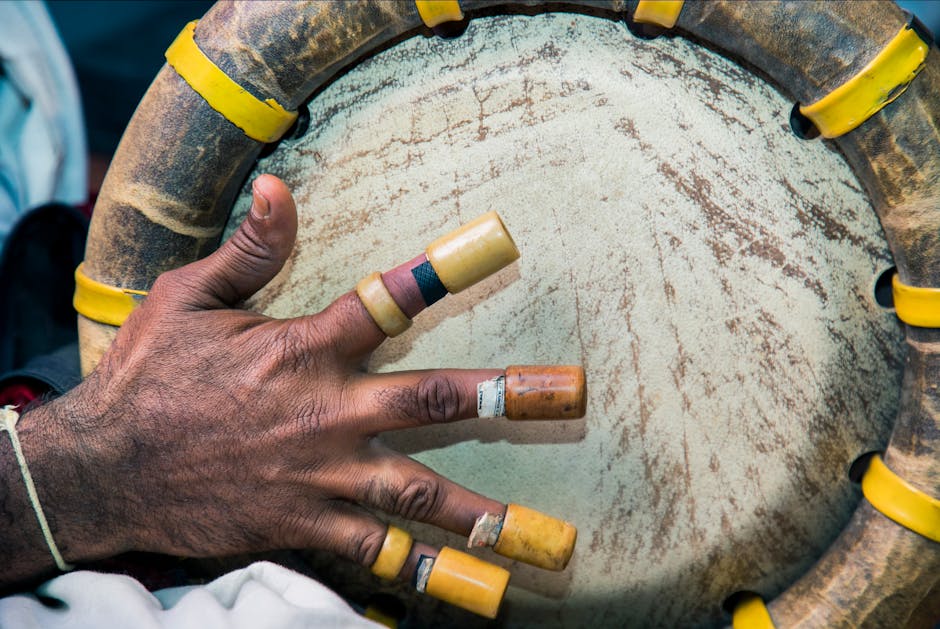
Starting your batá journey is exciting, but choosing the right drum can feel overwhelming. Whether you're interested in learning the rhythms, exploring the culture, or beginning spiritual practice, understanding what makes a quality batá drum will help you make a confident choice.
Batá drums come in three sizes: the largest is the iyá (mother drum), the medium is the itótele (second mother), and the smallest is the okónkolo (child drum). As a beginner, you might start with a single drum rather than the complete set. Many people begin with the itótele, which offers a good balance of playability and versatility for learning fundamental rhythms.
Quality matters significantly. Authentic batá drums are handcrafted using specific woods and animal skins. The drum body is traditionally made from hardwoods like mahogany or iroko, while the heads are made from untreated animal skin. Cheaper mass-produced drums often use synthetic materials that don't produce the authentic warm, complex tones that make batá music distinctive. The sound quality of a good drum will sustain your motivation to practice and learn.
Consider where you purchase your drum. Specialist music shops, particularly those with connections to African or Caribbean communities, often stock quality instruments and can provide guidance. Online retailers should have clear information about materials and construction methods. Be cautious of extremely cheap drums—they rarely represent genuine craftsmanship and may not respond well to playing techniques.
Budget is important but shouldn't be your only consideration. A decent single batá drum typically costs between £80 and £250, depending on size and quality. Investing in a better instrument upfront prevents the frustration of a drum that sounds flat or doesn't respond to your playing technique.
Seek community advice. If possible, connect with local batá groups or cultural organisations. Experienced players can recommend reputable makers and sellers. They might even let you play different drums to understand how various instruments feel and sound. This hands-on experience is invaluable for making your choice.
Finally, consider your learning path. If you're joining a class or spiritual community, ask what they recommend. Some teachers prefer students to start with specific drum types to ensure everyone learns compatible techniques. Starting right sets you up for genuine progress and deeper engagement with this beautiful tradition.